Table Of Content
Although there are many PPD-free hair coloring alternatives available, there may be fewer color selections. They either contain no PPD at all or PPD-related compounds such as hydroxyethyl-p-phenylenediamine sulfate (HPPS) that stain hair by penetrating it deeply. Some of these substitute dyes may not be suitable for everyone because they come in a small spectrum of colors.
I have a sensitive scalp. Can I still dye my hair?
Next, apply a layer of topical cortisone or a corticosteroid cream or lotion to the affected areas and take Benadryl to reduce the inflammation. As far as any scabs that form, treat them with a layer of emollient-rich, fragrance-free cream applied to damp skin. Age can also be a driving force — especially since the body’s ability to fight off allergens declines as we get older — but plenty of younger people are sensitive to hair color, too. Many alternatives to PPD-containing hair dyes are on the market, though color options may be more limited. At the same time, many people with a hair dye intolerance may have an almost immediate reaction to PPD or other hair dye components.
Understanding Hair Dye Allergy
Allergic contact dermatitis is a reaction caused by the skin being touched by something it is allergic to. Once sensitized, the affected skin will usually become inflamed and red when exposed to the offending allergen. Immediate, mild reactions can be alleviated by rinsing off the dye with warm water and mild soap. Applying a potassium permanganate solution can help fully oxidize the allergen, PPD. Many ultra-processed foods that appear bright red contain the additive, though some are naturally colored with juices derived from fruits and vegetables.
Colon Cancer Risk?
Recognizing the symptoms of hair dye allergies is crucial for early intervention and appropriate management. In this article, you will learn about hair dye allergy, exploring the causes, symptoms, prevention strategies, treatment, and alternative options available. Hair dye has been a popular cosmetic choice for centuries, allowing individuals to change their hair color and style to suit their preferences. From vibrant reds to elegant brunettes, hair dye offers a wide range of possibilities for personal expression. An allergic reaction to hair dye will usually start within two to three days of using the dye and get better in several days to weeks.
Allergens in Popular Hair Products May Cause Allergic Contact Dermatitis - Dermatology Advisor
Allergens in Popular Hair Products May Cause Allergic Contact Dermatitis.
Posted: Tue, 08 Aug 2023 07:00:00 GMT [source]
If you suspect a hair dye allergy, especially if symptoms are severe or have a history of allergic reactions, seek advice from a healthcare professional. Your doctor can provide a definitive diagnosis through patch testing and recommend appropriate treatment options. If you’re on the hunt for PPD-free alternative hair dyes, consider types of hair color that have a lower risk of causing reaction. Though semi-permanent hair color can still contain PPD, there are many on the market that are safe and void of PPD, like the L’Oréal Paris Colorista Semi-Permanent Hair Color. This ammonia- and peroxide-free option gradually fades after a handful of washes, but packs serious color impact.
How Long to Leave Hair Dye in
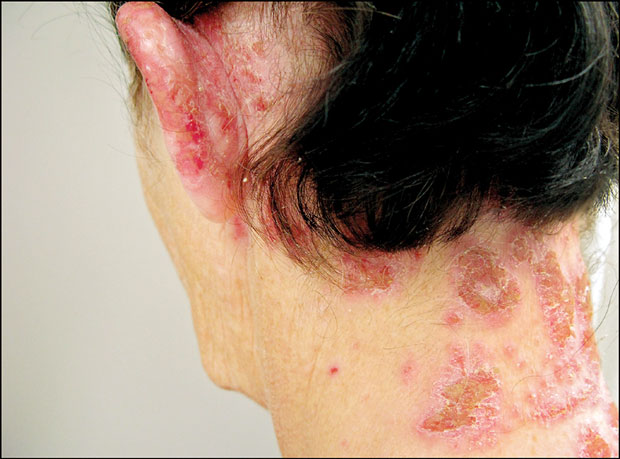
"Generally, symptoms are redness, flaking, inflammation, blistering or swelling in the scalp and around the face, ears, eyes, and lips," says Craig Ziering, M.D., a hair restoration and transplant surgeon. That being said, more extreme reactions, such as potentially permanent hair loss, can definitely occur, adds Dr. Ziering. He also notes that although rare, anaphylaxis (a severe allergic reaction that causes extreme swelling that could inhibit blood flow and breathing) is also possible and requires immediate medical attention. Dyeing your hair a new hue can be stressful enough without having to deal with side effects thanks to a hair dye allergy.
In some cases, people may experience redness, swelling, or itching on the scalp or on the forehead. Oxidizers are used to help the color develop, penetrate, and stick to the hair shaft so that it can last longer. When partially oxidized, some ingredients, like PPD, can develop into sensitizers, thus triggering contact allergies. [2] That’s why most products containing PPD or its derivatives carry warning signs on the packaging to do patch testing before using the product. Reactions to PPD can range from mild irritation in the scalp to an allergic reaction that can potentially trigger serious symptoms throughout the body. You could also have a patch test done at an allergy clinic, to see which chemicals you're sensitive to, if any.
People with sensitive scalps can enjoy their favorite hair color without worrying their scalp will saturate with flakes, residue, or other harmful buildups. "Organic hair dye or a natural formula without the chemical compounds we're addressing should not introduce an allergic event or reaction," seconds Dr. Ziering. Natural hair color products that don't contain PPD or similar chemicals shouldn't cause a reaction,adds Dr. Shamban. If you have a hair-dye allergy, the typical route is to use henna or an all-natural hair color. They're both good options but take hours to process and aren't nearly as effective at tackling gray hair. Which is why it's so exciting that Wella Professionals is releasing a salon-only hair color this September that doesn't contain any PPD.

Preservatives and alcohols are used to prevent the growth of bacteria and mold while keeping the product stable and effective for longer periods of time. Symptoms will usually appear within 48 hours, although strong irritants may cause your skin to react immediately. This usually involves dabbing a small amount of the dye solution behind your ear or on your inner elbow and leaving it to dry.
Any irritation, reaction, or feeling of being unwell is a sign that the rest of a person’s scalp will have a bad reaction to the product. The body becomes allergically sensitized to an invading substance the first time it is used. Symptoms may include hives, swelling of the face and airways, shortness of breath, and a drop in blood pressure with a fast heart rate and possibly loss of consciousness. Anaphylactic shock can be fatal, and anyone experiencing these symptoms needs immediate medical attention. Hair dye allergy, particularly contact dermatitis, has recently become a common concern. Contact dermatitis, a delayed hypersensitivity reaction, typically affects the scalp, hairline, neck, and, occasionally, the face.
When it comes to hair dyes, allergic reactions can be halted beforehand, hence the patch test. Symptoms of contact dermatitis from hair dye may include redness, swelling, itching, and dry, flaky skin on the scalp or other areas of the skin that came into contact with the dye. You should stop using the product and consult a doctor if you think you may have contact dermatitis from a hair dye. They can help determine the cause of your symptoms and recommend the appropriate treatment. Cross-reactivity will occur in some people who have become sensitised to one of these chemicals.
This blog post is based on scientific evidence, written and fact checked by our doctors. Double the amount of coffee you would regularly use and let the batch cool off. After it has steeped, mix the coffee with your regular conditioner and apply as per usual. Lastly, rinse the conditioner off and see your locks transform to a darker shade. Just make sure you avoid sunlight and moisturize your hair well afterward. Moreover, a DIY coffee hair mask will help your locks grow faster and stronger, on top of covering your gray hair.
This is because of a process known as cross-reactivity, where the chemical structure of one substance is similar to that of another. This can help reduce redness and may speed-up the wound-healing process (2). Many brands are now championing clean beauty and non-toxic products that are totally safe for anyone. If you want to lighten the color of your locks, there’s no better natural lightener than lemon. Lemon juice will do the trick if you want to get rid of the orangy hues in your hair or brighten up your deep brown locks. It’s very rare and almost impossible to find products that tick all of these boxes.
And while an allergic reaction to hair color can oftentimes just involve some mild redness and irritation, cautionary tales on the internet paint a more serious picture. If an allergic reaction ensues as a result of hair coloring, it’s common for a series of dermatitis-like reactions to appear on the skin. “It classically appears on the hands, head, and neck where the chemical is in contact with the skin,” Dr. Boakye says.


No comments:
Post a Comment